DDR5 memory is an important element of current-generation server infrastructure. As virtualization density, database sizes, analytics workloads and AI-related processing continue to increase, memory configuration can materially influence overall platform performance and scalability.
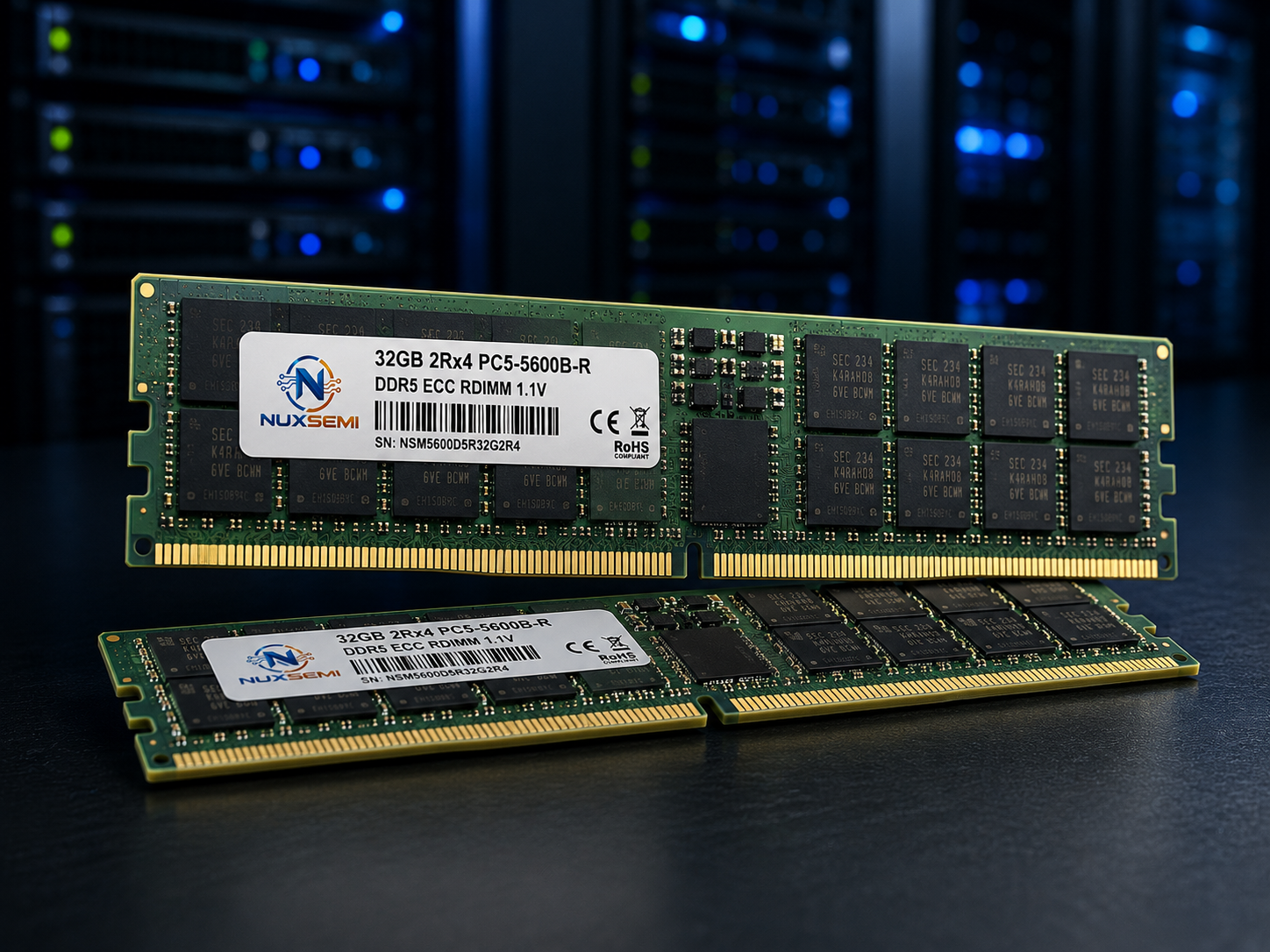
DDR5 in Modern Server Platforms
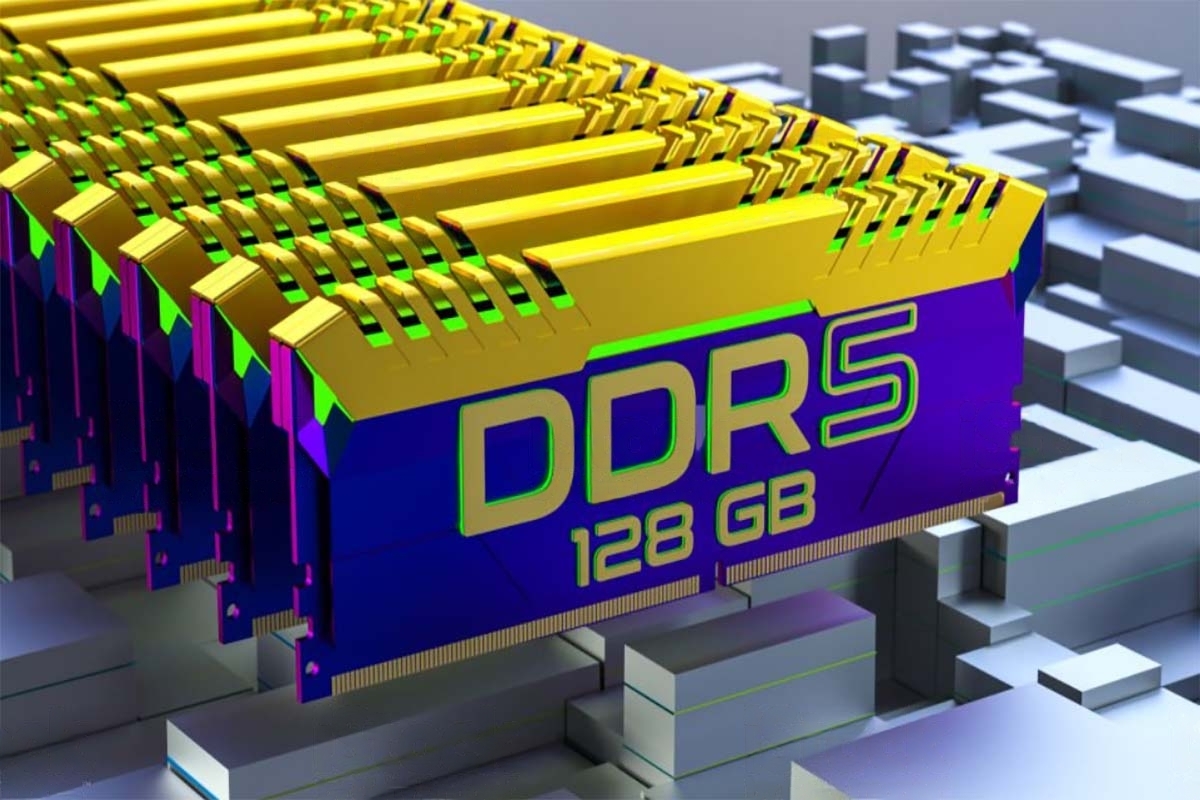
Current enterprise platforms combine increasingly capable processors with multiple DDR5 memory channels. This enables significantly larger memory footprints and higher aggregate bandwidth than earlier generations, subject to the limits of the selected CPU and motherboard architecture.
Capacity Planning
Capacity should be determined according to the actual workload. Virtualization platforms may require substantial memory for virtual-machine density, while databases can benefit from larger memory allocations for caching and in-memory processing.
HPC and AI-supporting infrastructure may require a different balance between host memory, accelerator memory, storage throughput and network performance.
Reliability and ECC
Enterprise server environments prioritize availability and data integrity. ECC memory is therefore a standard consideration for infrastructure expected to operate continuously or support mission-critical workloads.
Memory selection should be verified against server-platform qualification requirements and the technical specifications defined by the system vendor or integration design.
CPU and Motherboard Compatibility
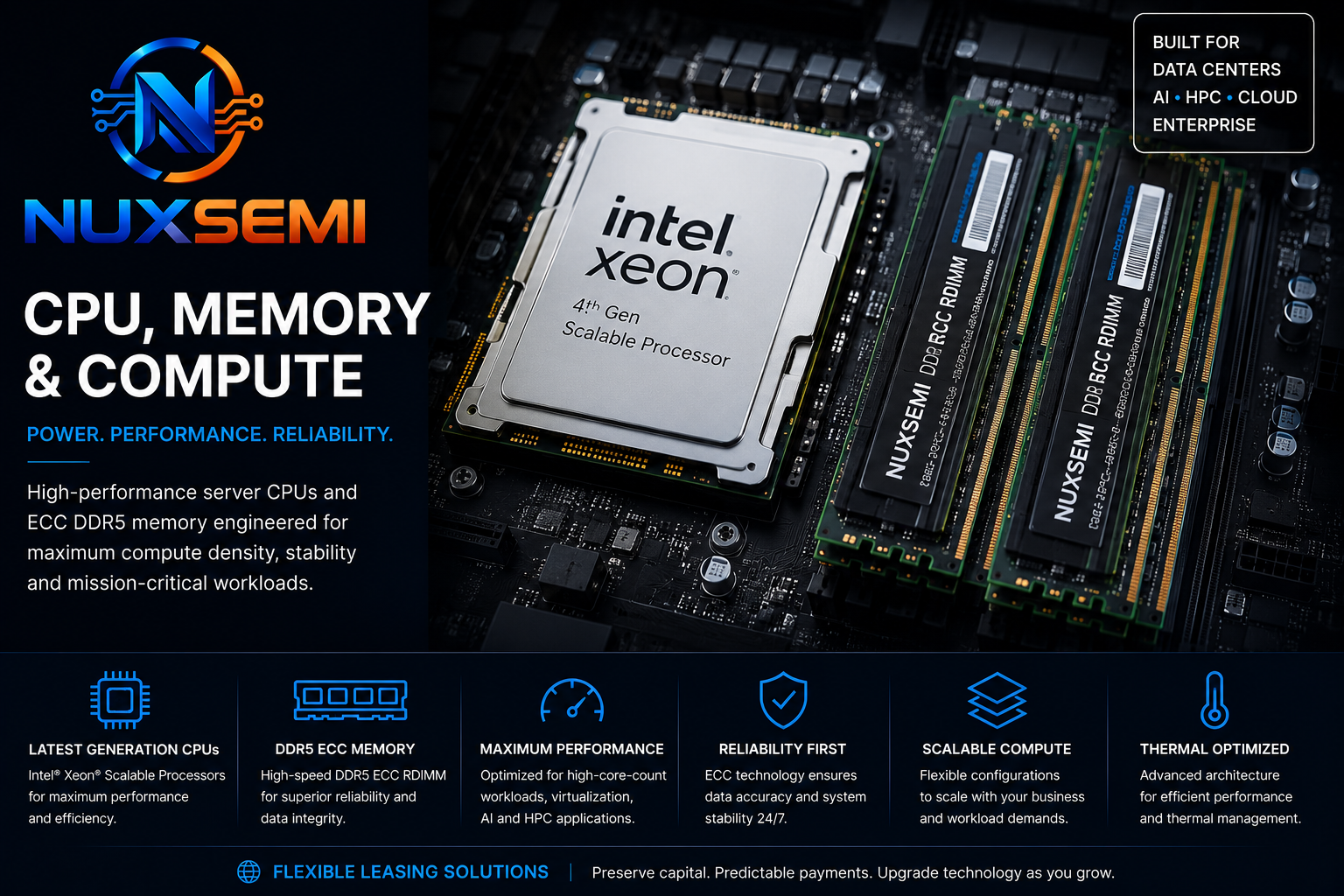
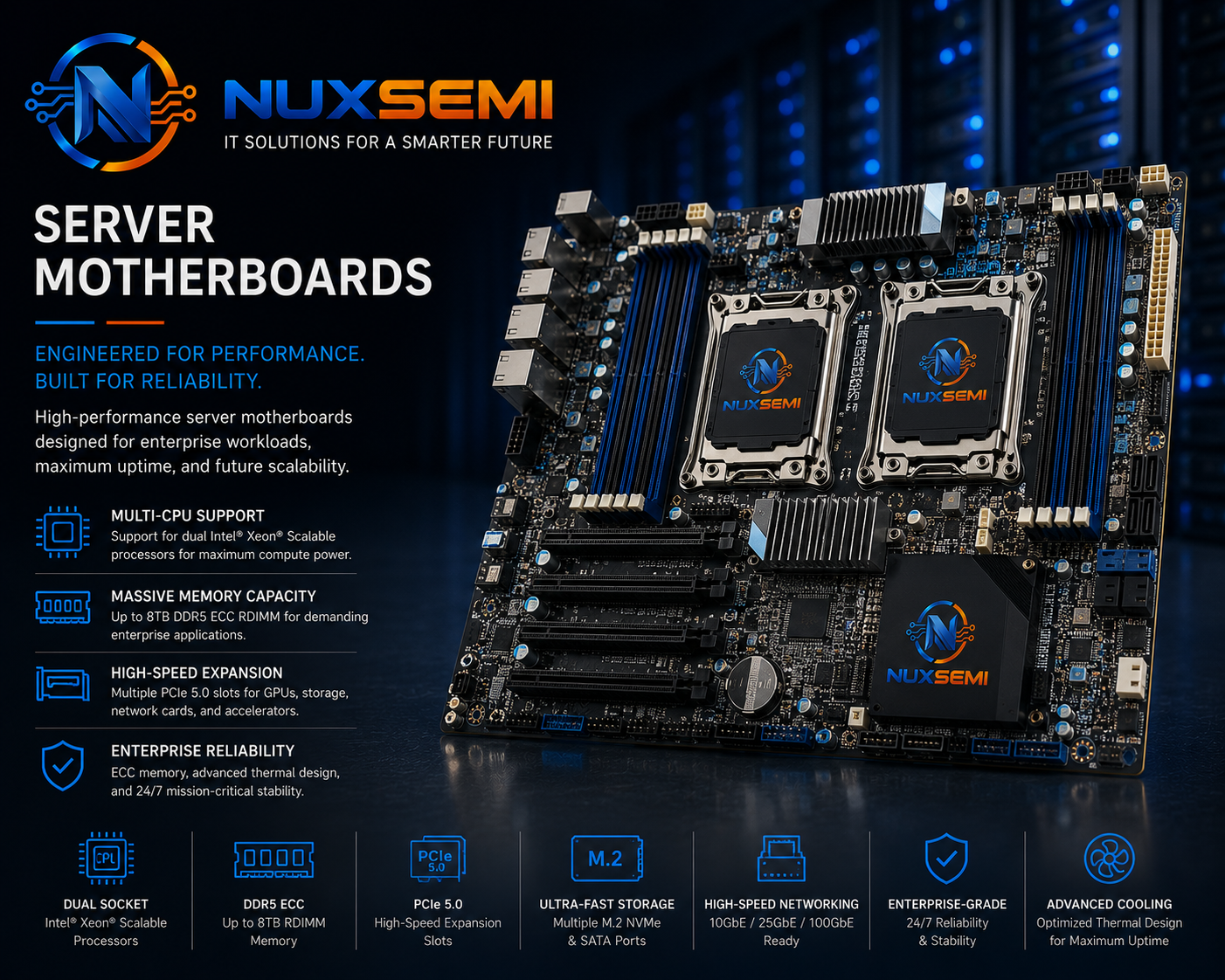
DIMM type, maximum supported capacity, supported memory speed and channel topology depend on the selected processor and motherboard. Buyers should therefore treat CPU, motherboard and memory as an integrated technical configuration.
NUXSEMI provides enterprise CPU, motherboard and memory procurement for customers requiring individual components or structured infrastructure supply.
Storage and Memory Work Together
Large-memory systems also require storage capable of feeding data efficiently to applications. High-capacity NVMe architectures can help address storage density and throughput requirements in enterprise and data-center deployments.
For this reason, memory planning often intersects with Enterprise SSD & NVMe Storage.
Deployment Strategy
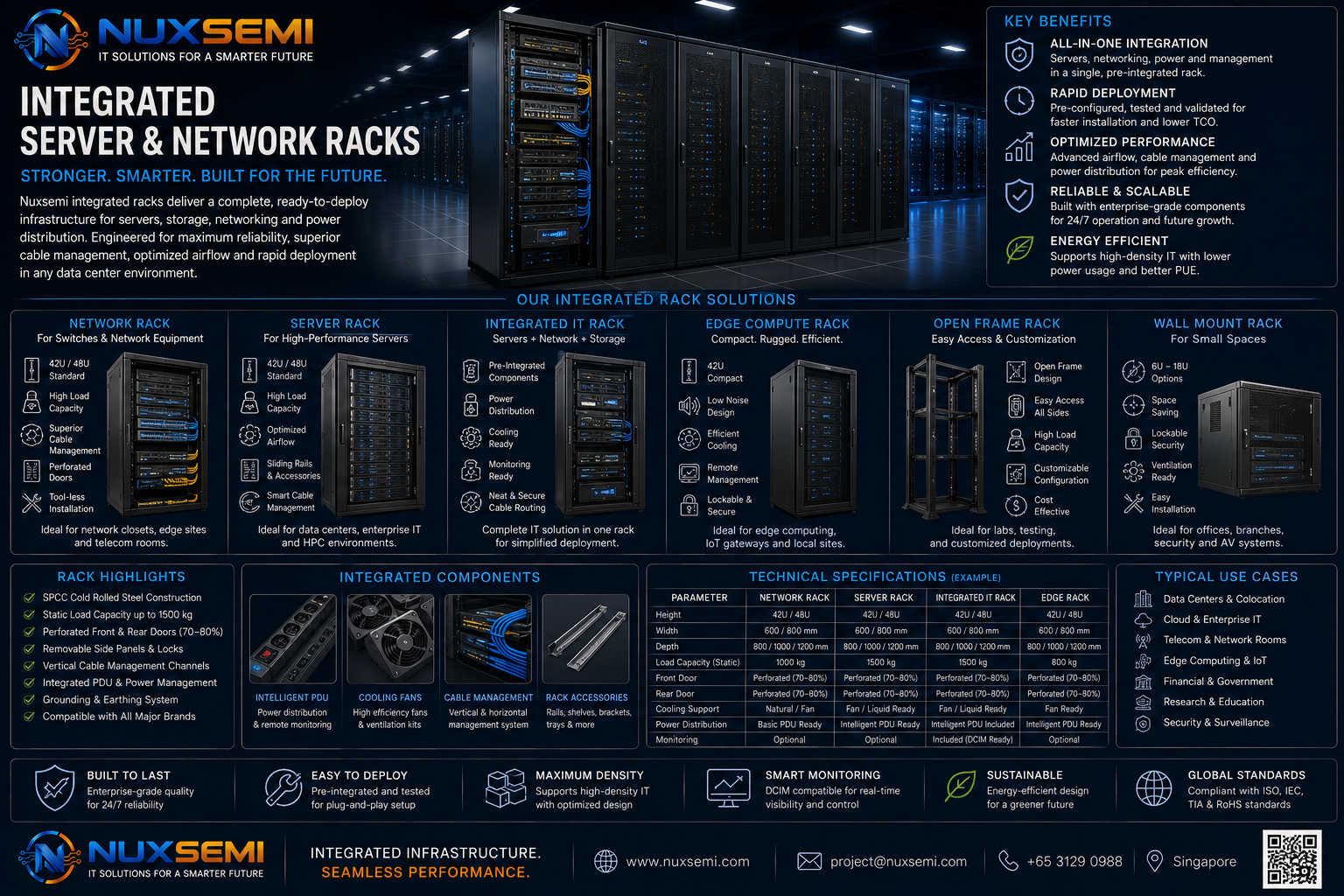
A well-designed deployment balances memory capacity, memory bandwidth, processor capability, storage throughput, networking, power and cooling. Oversizing one subsystem while constraining another can increase cost without improving application performance.
For DDR5 ECC server-memory requirements or complete data-center configurations, review NUXSEMI Buy Solutions or contact our team for a formal proposal.